


← Back to Watch Guide & Buying Advice
What Is an Automatic Watch?
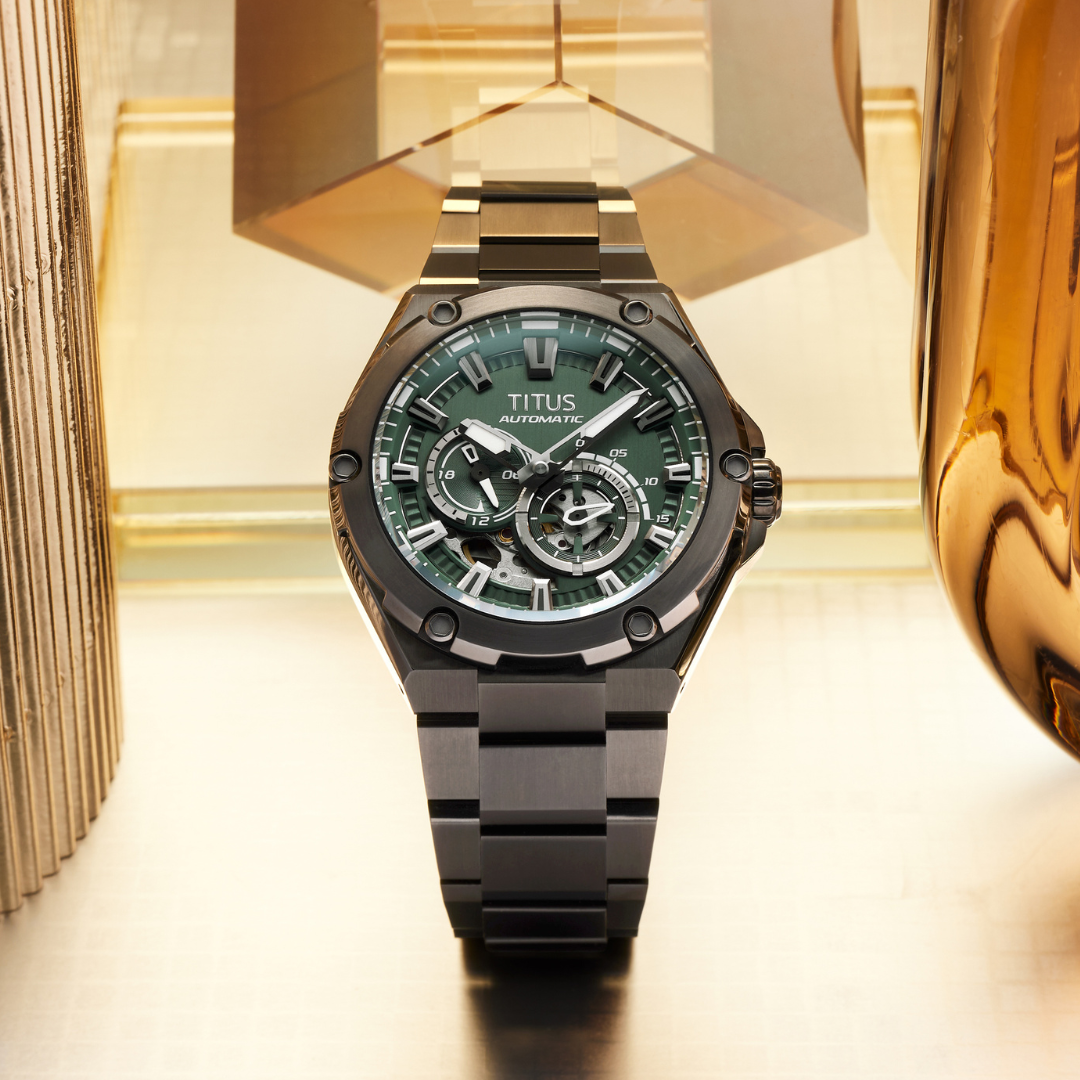
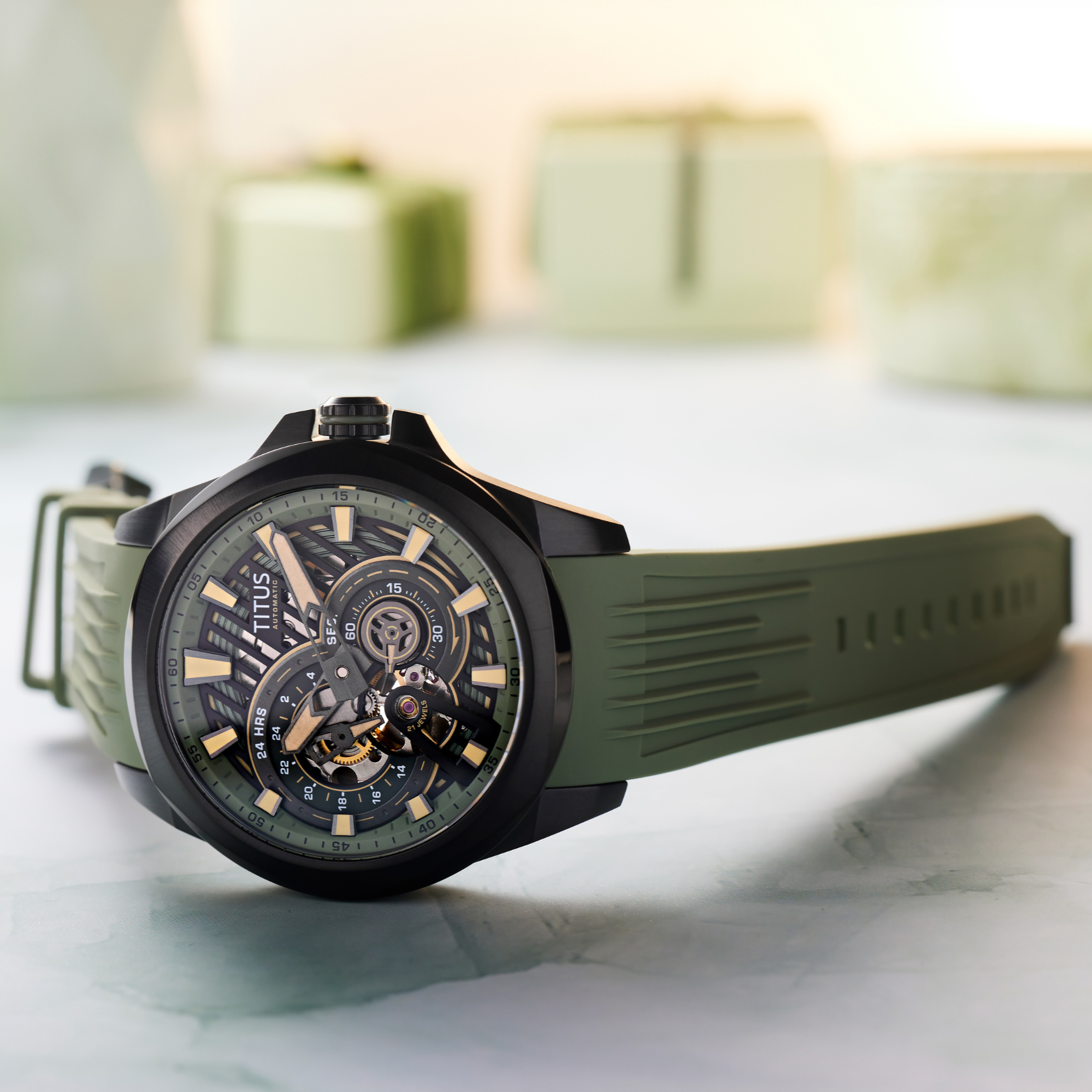
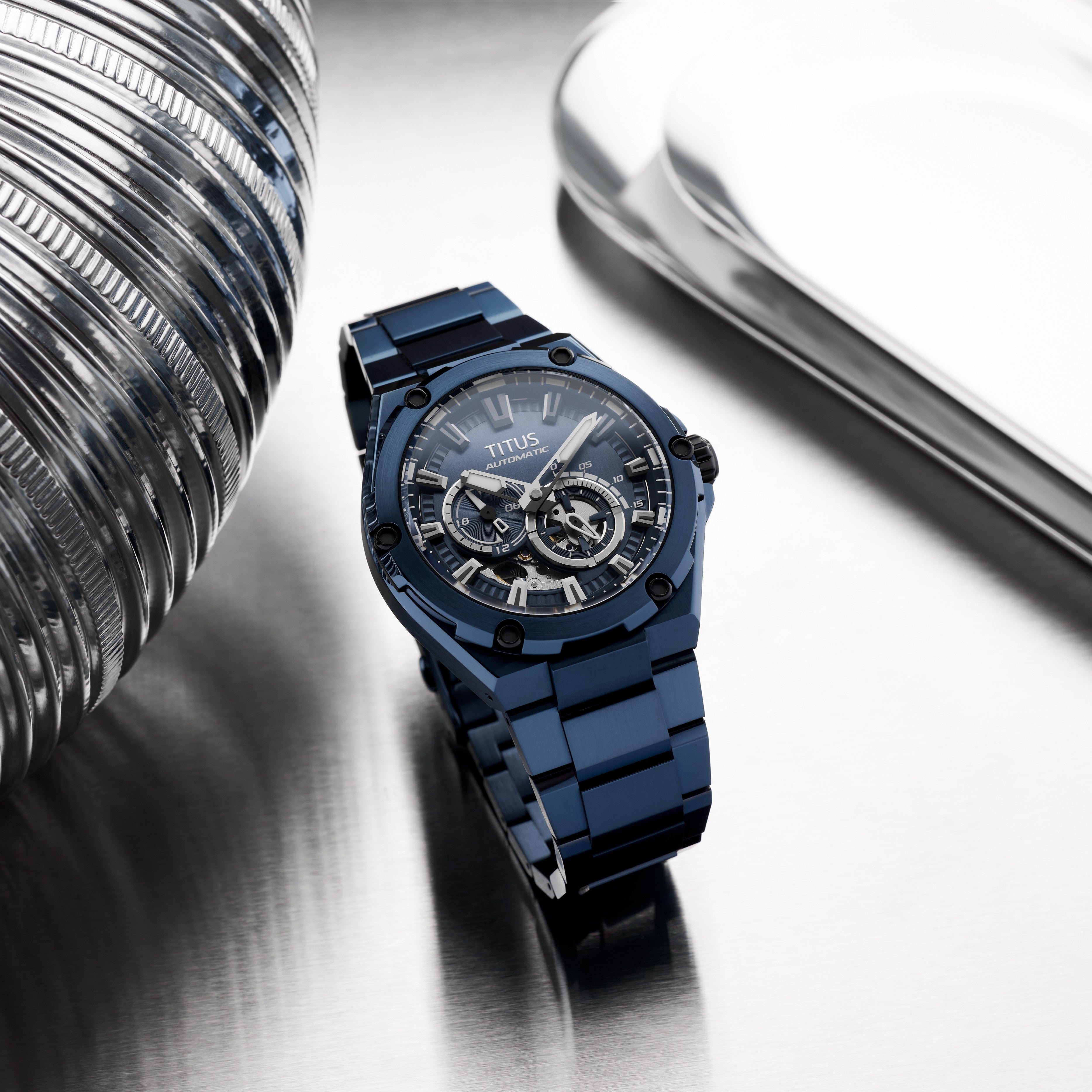
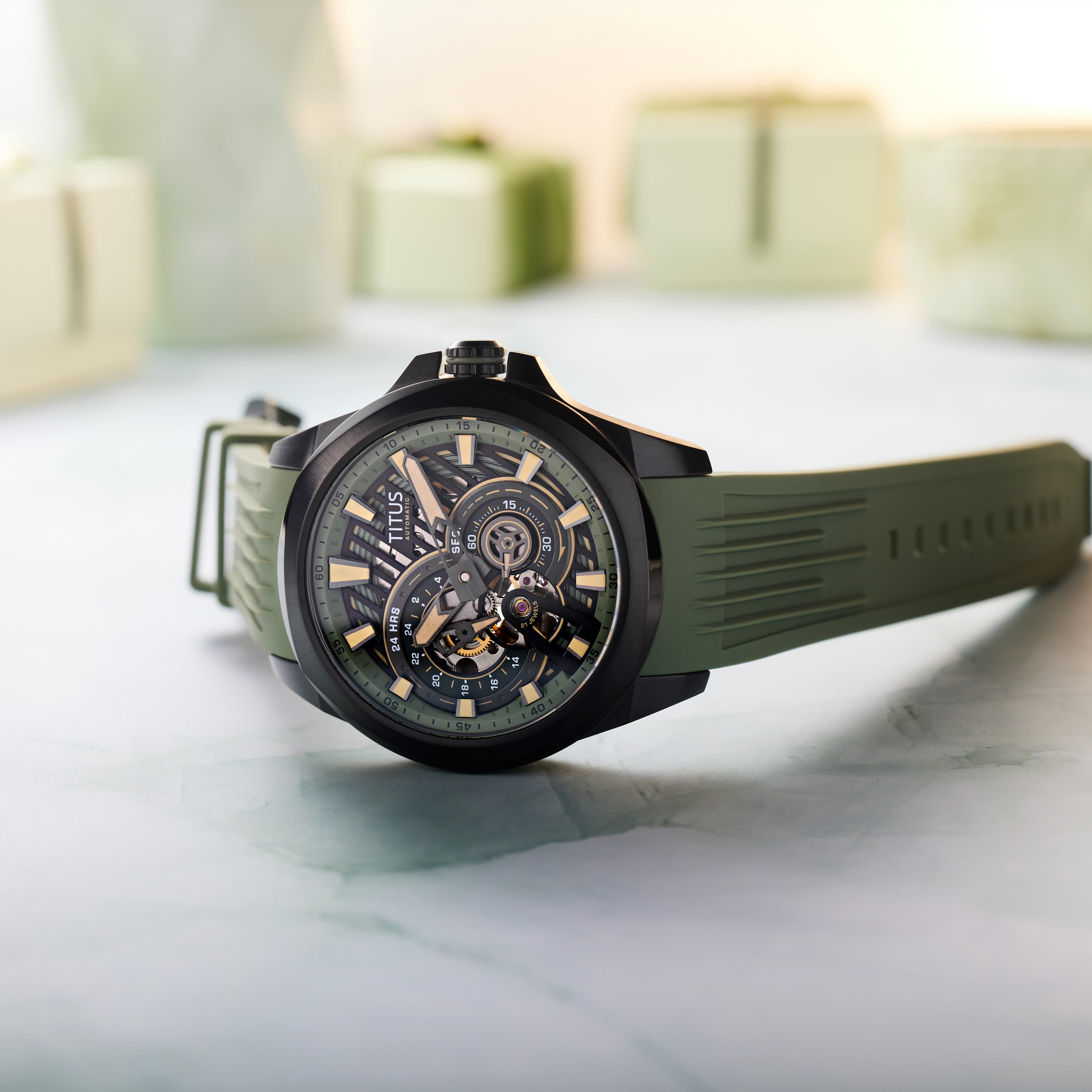
Automatic watches have fascinated watch enthusiasts for generations. Unlike battery-powered watches, automatic watches are powered by intricate mechanical movements that harness the natural motion of the wearer's wrist.
Whether you're considering your first automatic watch or simply want to understand how they work, this guide explains everything you need to know about automatic watches, their advantages, maintenance requirements and why they continue to be appreciated by watch collectors around the world.
Quick Answer
An automatic watch is a mechanical watch that winds itself through the natural movement of your wrist. It does not require a battery and uses a complex system of gears, springs and mechanical components to keep time.
How Does an Automatic Watch Work?
Inside every automatic watch is a component called a rotor. The rotor is a weighted metal disc that rotates as your wrist moves throughout the day.
As the rotor spins, it winds the mainspring, which stores energy and powers the watch movement.
This stored energy is gradually released through the movement, allowing the watch to keep accurate time.
The Main Components of an Automatic Watch
- Rotor
- Mainspring
- Gear Train
- Escapement
- Balance Wheel
Together, these components work in harmony to regulate the movement of the watch and display the correct time.
Do Automatic Watches Need Batteries?
No.
Automatic watches do not require batteries because they are powered by mechanical energy generated through wrist movement.
This is one of the main reasons many enthusiasts appreciate automatic watches. They represent traditional watchmaking craftsmanship without relying on electronic components for timekeeping.
What Happens If You Don't Wear an Automatic Watch?
If an automatic watch is not worn for a period of time, it may stop once its power reserve is depleted.
Most automatic watches can continue running for approximately 40 hours after being fully wound, although this varies by model.
If the watch stops, simply winding the crown and wearing the watch again will typically restart the movement.
Advantages of Automatic Watches
No Battery Replacement Required
Because automatic watches are powered by mechanical movements, there is no need for routine battery replacement.
Traditional Watchmaking Craftsmanship
Automatic watches showcase the skill and engineering involved in traditional watchmaking.
Many enthusiasts appreciate the hundreds of tiny components working together to keep time.
Smooth Sweeping Second Hand
Unlike many quartz watches that tick once per second, automatic watches often feature a smoother second-hand motion.
Long-Term Ownership
With proper care and servicing, an automatic watch can provide many years of enjoyment.
Things to Consider Before Buying an Automatic Watch
Requires Regular Wear
Automatic watches perform best when worn regularly.
May Need Periodic Servicing
Like any precision mechanical instrument, automatic watches may benefit from periodic servicing to maintain performance.
Time Accuracy Differs from Quartz Watches
Automatic watches may gain or lose a few seconds per day, which is normal for mechanical movements.
If maximum accuracy is your priority, you may wish to read our Automatic vs Quartz Watches Guide.
Why Watch Enthusiasts Love Automatic Watches
For many enthusiasts, an automatic watch is more than a timekeeping device.
It represents traditional craftsmanship, engineering expertise and the appreciation of mechanical design.
The experience of owning an automatic watch is often compared to appreciating a classic car. It is not only about function, but also about the craftsmanship behind it.
Automatic Watches at Solvil et Titus
At Solvil et Titus, automatic watches are designed for customers who appreciate mechanical watchmaking and timeless design.
Cervus Collection
The Cervus Collection combines modern styling with the appeal of automatic watchmaking, making it suitable for everyday wear and special occasions.
Voyager Collection
The Voyager Collection offers automatic timepieces designed for customers seeking a balance of style, versatility and mechanical craftsmanship.
Quest Collection
The Quest Collection showcases automatic movements in contemporary designs suited to modern lifestyles.
Who Should Buy an Automatic Watch?
An automatic watch may be suitable for you if:
- You appreciate traditional craftsmanship
- You enjoy mechanical engineering
- You wear a watch regularly
- You are interested in watch collecting
- You value the experience of owning a mechanical timepiece
Who Should Consider a Quartz Watch Instead?
A quartz watch may be more suitable if:
- You prioritise convenience
- You want maximum accuracy
- You do not wear a watch every day
- You prefer minimal maintenance
Learn more in our Automatic vs Quartz Watches Guide.
Frequently Asked Questions
What is an automatic watch?
An automatic watch is a mechanical watch powered by wrist movement rather than a battery.
Do automatic watches need batteries?
No. Automatic watches are powered by mechanical energy generated through wrist movement.
How long do automatic watches last?
With proper care and servicing, an automatic watch can last for many years.
Can an automatic watch stop?
Yes. If it is not worn and the power reserve is depleted, the watch may stop until it is wound again.
Are automatic watches worth buying?
For customers who appreciate craftsmanship and traditional watchmaking, automatic watches can be a rewarding ownership experience.
Is an Automatic Watch Right for You?
Automatic watches continue to be admired for their craftsmanship, engineering and timeless appeal. Whether you're starting your watch journey or expanding your collection, an automatic watch offers a unique experience that goes beyond simply telling time.
Explore the Cervus, Voyager and Quest Collections to discover automatic watches designed for modern lifestyles while celebrating the tradition of mechanical watchmaking.